Introduction to Don Det Island
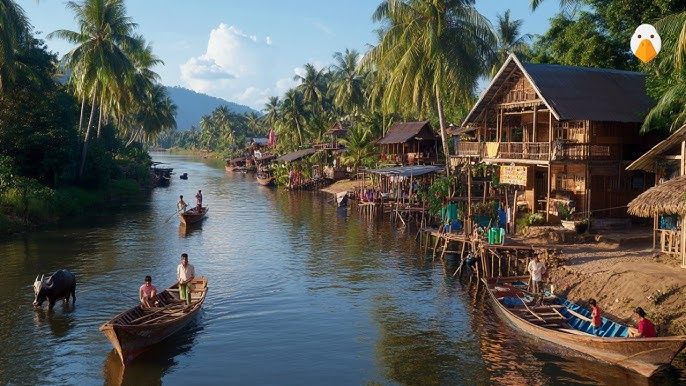
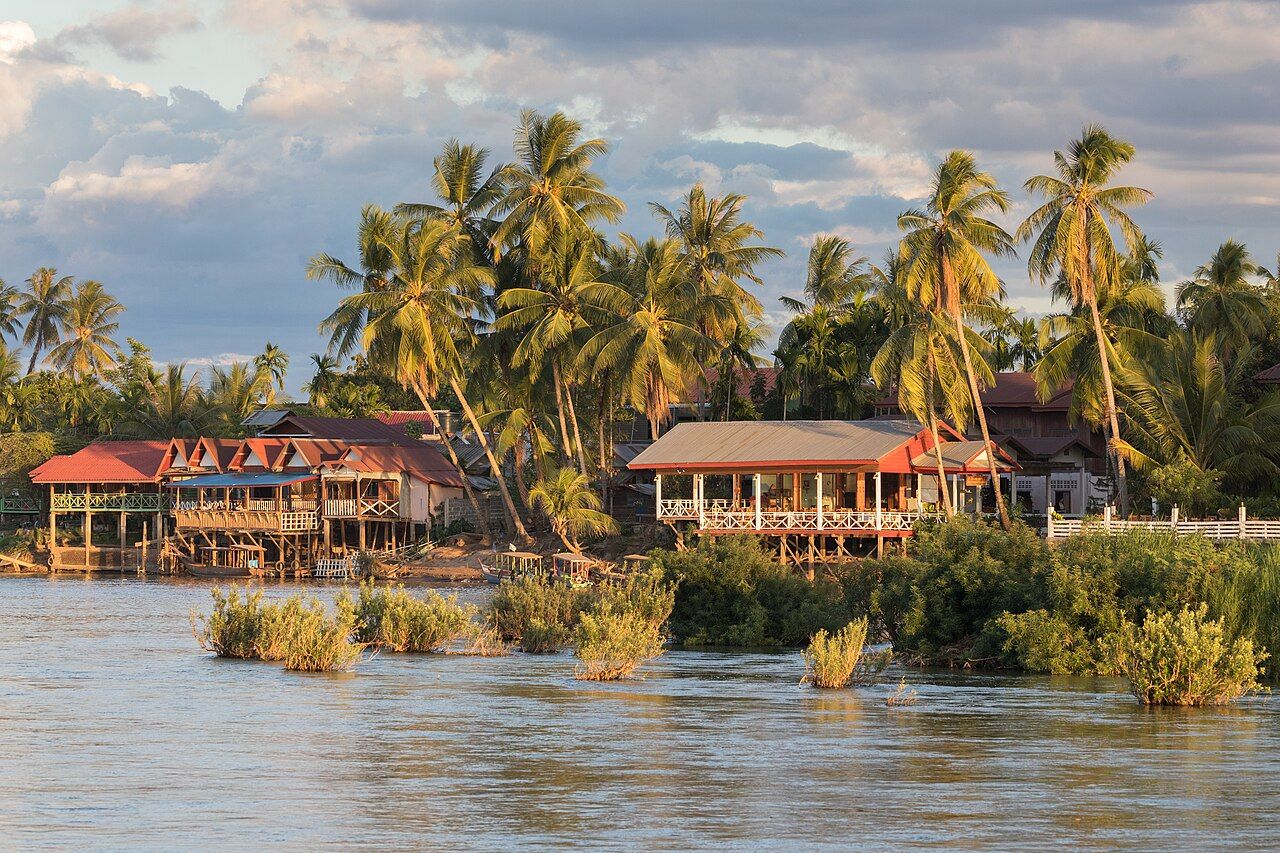
Don Det, part of the Si Phan Don archipelago (the Four Thousand Islands) in southern Laos, is a peaceful island nestled along the Mekong River in Champasak Province. Famous for its relaxed atmosphere, lush vegetation, and rustic charm, Don Det is a paradise for travelers seeking relaxation and immersion in nature. Together with its neighboring island Don Khon, Don Det is one of the most visited destinations in the Si Phan Don region thanks to its combination of natural beauty, affordable accommodation, and diverse unique activities. The name “Si Phan Don” means “Four Thousand Islands,” referring to the countless islands and sandbars formed by the mighty currents of the Mekong River, which stretches more than 14 km at its widest point. With its modest area and population, Don Det offers visitors an authentic glimpse into the rural life of the Lao people and is particularly suitable for backpackers and adventurous travelers.
MAP to Don Det: https://maps.app.goo.gl/43kk5KhpDGrRsXhu9
Historical Background and Formation
Geological Formation
Like the rest of Si Phan Don, Don Det was formed by the Mekong River’s complex network of tributaries, which divide and wind around countless islands as the river flows through southern Laos. Seasonal changes in the Mekong create a dynamic landscape, with islands emerging or disappearing depending on the water level. During the dry season (from November to March), falling water levels reveal dramatic rapids and waterfalls, such as Somphamit Falls on Don Khon; while during the rainy season (from May to October), smaller islands are submerged, creating a lush, vibrant environment. This unique geography, together with fertile soil and abundant water sources, has shaped Don Det’s ecosystem and way of life.
Historical Background
Historically, Don Det and the Si Phan Don region were shaped by their strategic location along the Mekong River – a vital trade and transportation route connecting Laos, Cambodia, and neighboring areas. The islands were once influenced by the ancient Khmer Empire before becoming an integral part of Lao culture. During the French colonial period (1893–1953), the French attempted to navigate the rapids of the Mekong to establish trade routes, leaving behind landmarks such as the Don Khon Railway – built to bypass waterfalls that could not be navigated by boat. This narrow-gauge railway, now a historical attraction, once connected Don Det and Don Khon to facilitate the transportation of goods. The islands’ sparse population, consisting mainly of Lao and Khmer people, lived by fishing, rice cultivation, and small-scale trading. Today, Don Det retains its pristine rustic character, with very little modern development and its historical simplicity largely preserved.
The Development of Tourism
Tourism in Don Det began to flourish in the late 20th century when backpackers discovered the Si Phan Don archipelago. Initially a hidden gem, Don Det’s affordability, laid-back atmosphere, and natural beauty attracted budget travelers, particularly from the 1990s onward. The island’s tourism industry developed organically, with local residents converting homes into guesthouses and small eateries to serve visitors. Unlike more developed destinations such as Phuket or Bali, Don Det has retained a relatively unspoiled character, offering an authentic and peaceful experience. The absence of high-end resorts and limited infrastructure have helped preserve its distinctive charm, attracting travelers who value sustainable, community-oriented tourism. In recent years, tourism has become an important economic driver, with Don Det and Don Khon hosting most of the accommodation and services in the region. However, challenges such as seasonal accessibility and limited electricity supply (only introduced in the early 2000s) have kept the pace of development moderate.
Tourist Activities
Don Det offers a variety of activities for nature lovers, adventure enthusiasts, and those seeking a relaxing retreat. The island’s compact size (approximately 8 km in circumference) makes it easy to explore on foot, by bicycle, or by kayak. Below are some of the highlights:
1. Cycling and Walking
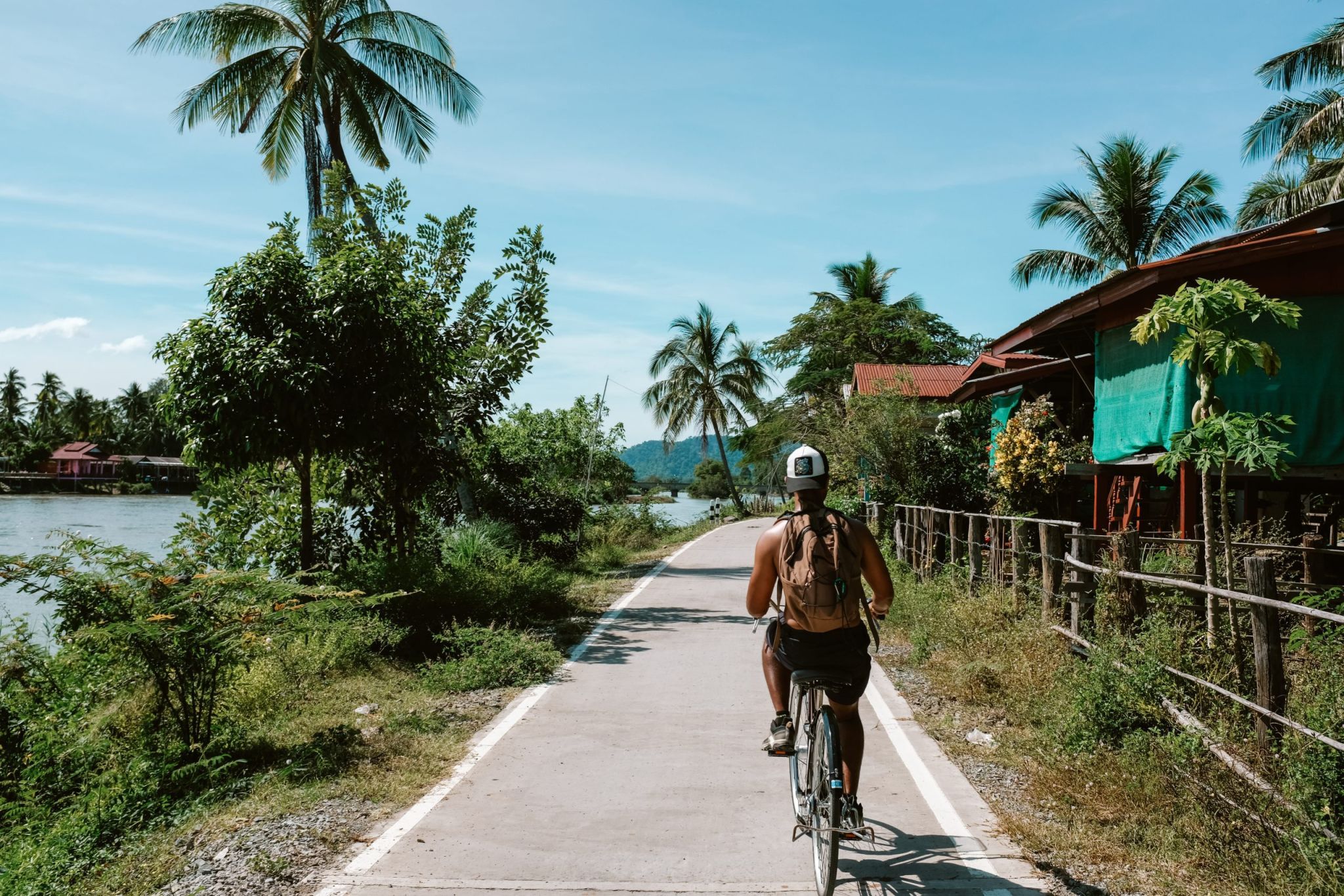
- Experience: Rent a bicycle (approximately 10,000–20,000 LAK per day) and explore the dirt paths, rice fields, and small villages on Don Det. The island’s flat terrain is ideal for leisurely cycling while enjoying views of the scenic Mekong River and local life. The bridge connecting Don Det with Don Khon allows visitors to cycle to attractions such as Somphamit Falls and the old French railway.
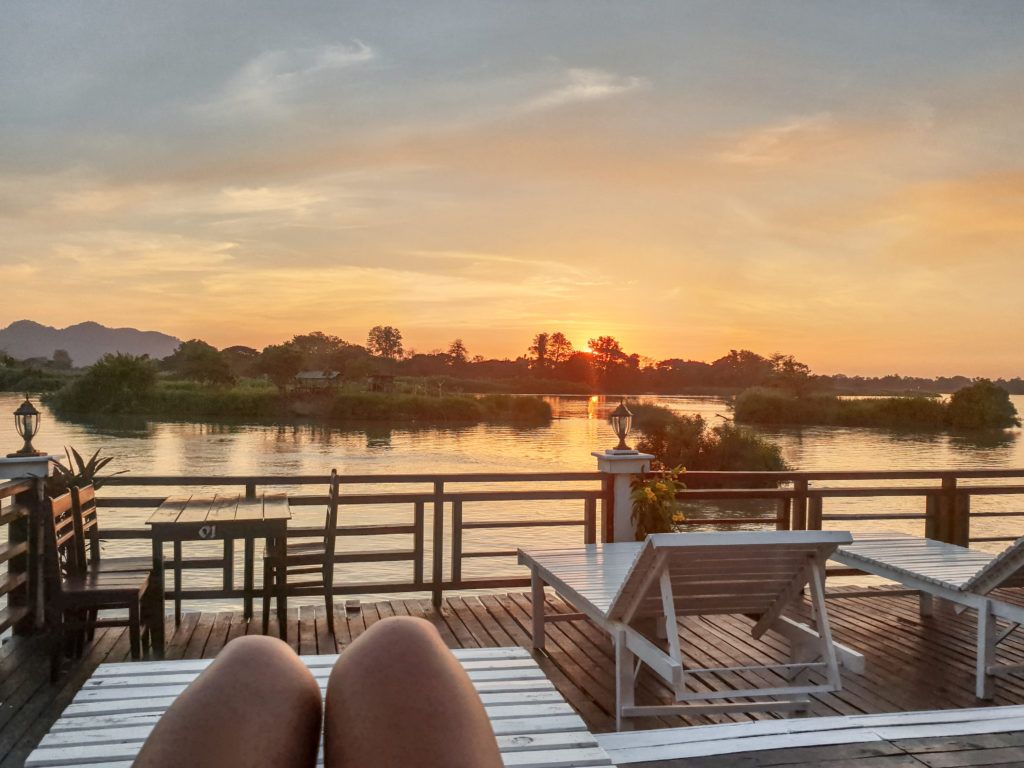
- Highlight: Visit the Old French Railway Bridge – a historic colonial landmark – or cycle to the southern tip of Don Det to watch the sunset over the Mekong River.
2. Kayaking and Tubing
- Experience: Kayaking along the Mekong’s tributaries offers a close-up view of the waterways and wildlife around the island. Tubing is a gentle, relaxing activity in which visitors float down the river on an inflatable tube – an experience particularly popular with backpackers. Tours often combine kayaking with dolphin-watching.
3. Irrawaddy Dolphin Watching
- Experience: The rare, endangered Irrawaddy dolphins – a unique freshwater species – inhabit the Mekong River near Don Det and Don Khon. Guided boat tours (around 100,000 LAK per person) take visitors to areas near the Cambodian border to see them, especially during the dry season when water levels are lower. Responsible tour operators always ensure that disturbance to the dolphins is kept to a minimum.
- Tip: Early-morning or late-afternoon trips will increase your chances of spotting dolphins.
4. Waterfall Visits
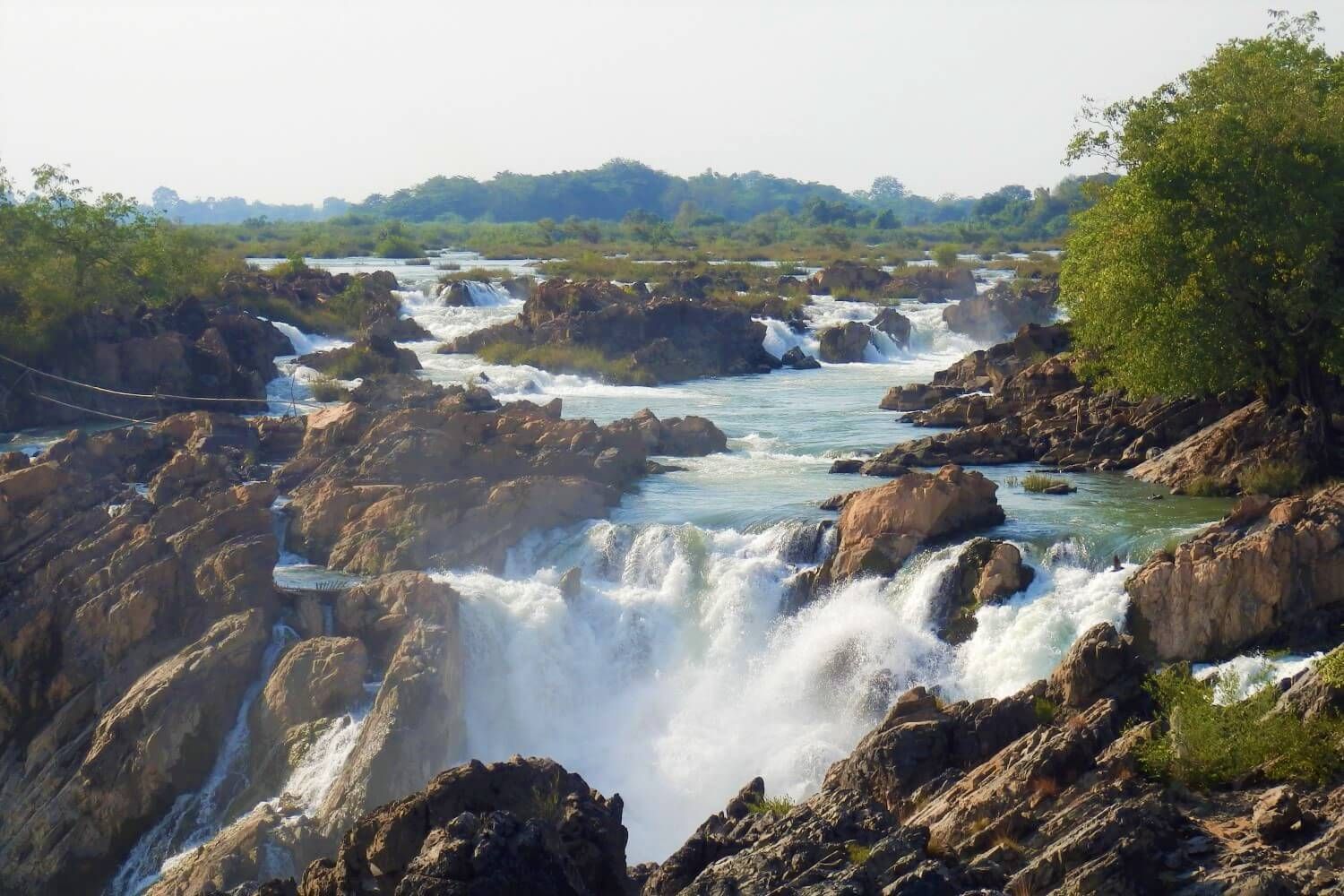
- Highlight: Somphamit Falls (Li Phi Falls) on Don Khon, accessible by bicycle or a short walk from Don Det, is a must-see attraction. These raging cascades are formed by the Mekong’s rocky channels and are at their most impressive during the dry season. The entrance fee is around 25,000 LAK.
- Other waterfalls: Nearby Khone Phapheng Falls, one of Southeast Asia’s largest waterfalls by volume, is about 30 minutes away by boat or tuk-tuk.
5. Cultural Experiences
- Highlight: Immerse yourself in local Lao culture by visiting villages, where you can observe rice cultivation, fishing and traditional weaving. Some guesthouses also organize cultural exchange activities such as cooking classes or visits to local temples like Wat Khon Tai on Don Khon.
- Festivals: If you visit during the Lao New Year (Pi Mai) in April, you can join lively celebrations featuring water fights and warm community gatherings.
6. Relaxation and Sunset Watching
- Highlight: Don Det’s slow pace of life makes it the perfect place to rest and unwind. Many guesthouses and restaurants provide hammocks and riverside seating for sunset views. The western side of the island, especially the area near Hua Det Village, is ideal for admiring the Mekong’s brilliant golden hues at dusk.
Where to Stay
Accommodation on Don Det is very affordable, consisting mainly of guesthouses, bungalows and small hostels. Most are family-run and offer basic amenities such as fans, mosquito nets and private or shared bathrooms. Electricity is generally reliable but may be limited in areas far from the center. Here are some recommendations:
- Budget guesthouses (50,000–150,000 LAK/night):
- Crazy Gecko Guesthouse: Riverside bungalows with hammocks and a relaxing atmosphere. It is known for its friendly staff and stunning sunset views.
- Mama Leuah Guesthouse: Rustic wooden bungalows facing directly onto the river, ideal for families or groups of friends.
- Mid-range options (150,000–300,000 LAK/night):
- Little Eden Guesthouse: Offers slightly more upscale rooms with air conditioning and hot-water heaters – amenities that are relatively rare on Don Det.
- Don Det Bungalows: Comfortable rooms with private balconies overlooking the Mekong River.
- Backpacker hostels (30,000–80,000 LAK/bed):
- Happy Bar Hostel: Popular with young travelers, offering dormitory beds and a lively bar atmosphere.
- Easy Go Hostel: Offers affordable dormitory rooms and a convenient common area for socializing and making friends.
Tip:
- It is advisable to book in advance during the peak season (November–March) through platforms such as Booking.com or by contacting guesthouses directly.
- Wi-Fi is available at most accommodations, but the connection may be slow or intermittent.
Food and Cuisine
Don Det’s cuisine is simple yet appealing, focusing on traditional Lao dishes alongside familiar meals served to visitors. Restaurants are concentrated mainly in the main villages of Ban Hua Det and Ban Don Det, offering affordable meals (20,000–50,000 LAK per dish). Notable dishes and culinary experiences include:
- Lao cuisine:
- Laap (Larb): A spicy minced-meat or minced-fish salad mixed with herbs, a quintessential Lao dish.
- Sticky Rice: Commonly served with most meals and eaten with grilled fish or grilled chicken.
- Tam Mak Houng: The famous spicy papaya salad; you can request the level of spiciness to suit your preference.
- Western dishes: Many restaurants serve visitors pizza, burgers and pancakes, although quality can vary between establishments.
- Riverside dining: Restaurants such as The Garden Restaurant and Jasmine Restaurant offer views of the Mekong River along with fresh seafood, including grilled river fish.
- Street food and markets: Small stalls in Ban Hua Det sell noodle soup, spring rolls and fresh fruit smoothies. Night markets are quite rare here, but some guesthouses organize cozy communal dinners.
- Drinks: Local Beerlao is sold everywhere (10,000–20,000 LAK), along with Lao rice whisky (Lao-Lao) and fresh coconut water.
Tips:
- Vegetarian and vegan options are available but limited; it is best to check with the restaurant before ordering.
- Be sure to carry cash (Lao kip), as there are very few ATMs on the island and card payments are rarely accepted.
Useful Travel Information
Best Time to Visit
- Dry season (November – March): The weather is cool and dry (20–30°C), making it ideal for cycling, kayaking, and waterfall sightseeing. This is the peak season, so it is busier, but the atmosphere is wonderfully lively.
- Rainy season (May – October): The landscape is lush and green, and there are fewer tourists. However, heavy rains can make the roads muddy and make some activities more difficult.
How to Get to Don Det
- From Pakse: Take a bus or minivan (3–4 hours, approximately 50,000–100,000 LAK) to Ban Nakasang, then take a short boat ride (10–15 minutes, approximately 20,000–30,000 LAK) to Don Det.
- From Vientiane or Luang Prabang: Take an overnight sleeper bus to Pakse (12–15 hours), then continue to Don Det. Alternatively, you can fly to Pakse Airport and travel to the island by road.
- From Cambodia: Boats from Stung Treng or Kratie connect to Don Det. The journey often includes a stop to see dolphins (2–3 hours, approximately 100,000–200,000 LAK).
Getting Around the Island
- Bicycles: Bicycle rental services are available everywhere, making cycling the perfect way to leisurely explore the island.
- Tuk-tuks: There are not many, but they are readily available for short trips or journeys to Don Khon.
- Boats: An essential means of transport for traveling between the islands or joining waterfall and dolphin-watching tours.
Advice for Travelers
- Visa: Most nationalities can enter Laos visa-free for 15–30 days or apply for a visa at the border. Check the requirements applicable to your country.
- Currency: The Lao kip (LAK) is the main currency. Exchange money in Pakse or Ban Nakasang, as there are no ATMs on Don Det.
- Language: Lao is the local language, but English is widely spoken in tourist areas. Basic Lao phrases such as “Sabaidee” (hello) are always warmly received.
- Sustainable travel: Support local businesses and avoid activities that harm the environment or wildlife, such as unauthorized dolphin-watching tours.
- Health: Bring mosquito repellent and remember to stay hydrated. Medical facilities here are very limited; the nearest hospital is in Pakse.
Why Visit Don Det?
Don Det offers a rare combination of tranquility, affordability, and adventure. Its pristine landscapes, rich cultural heritage, and the warmth of its local people make it a standout destination in Southeast Asia. Whether you are cycling through rice fields, kayaking on the Mekong River, or simply relaxing in a hammock, Don Det promises an unforgettable holiday away from the hustle and bustle of modern life. Plan your trip with Huongdanviendulich.vn for useful travel advice and convenient tour-booking services to explore this gem of Champa!